

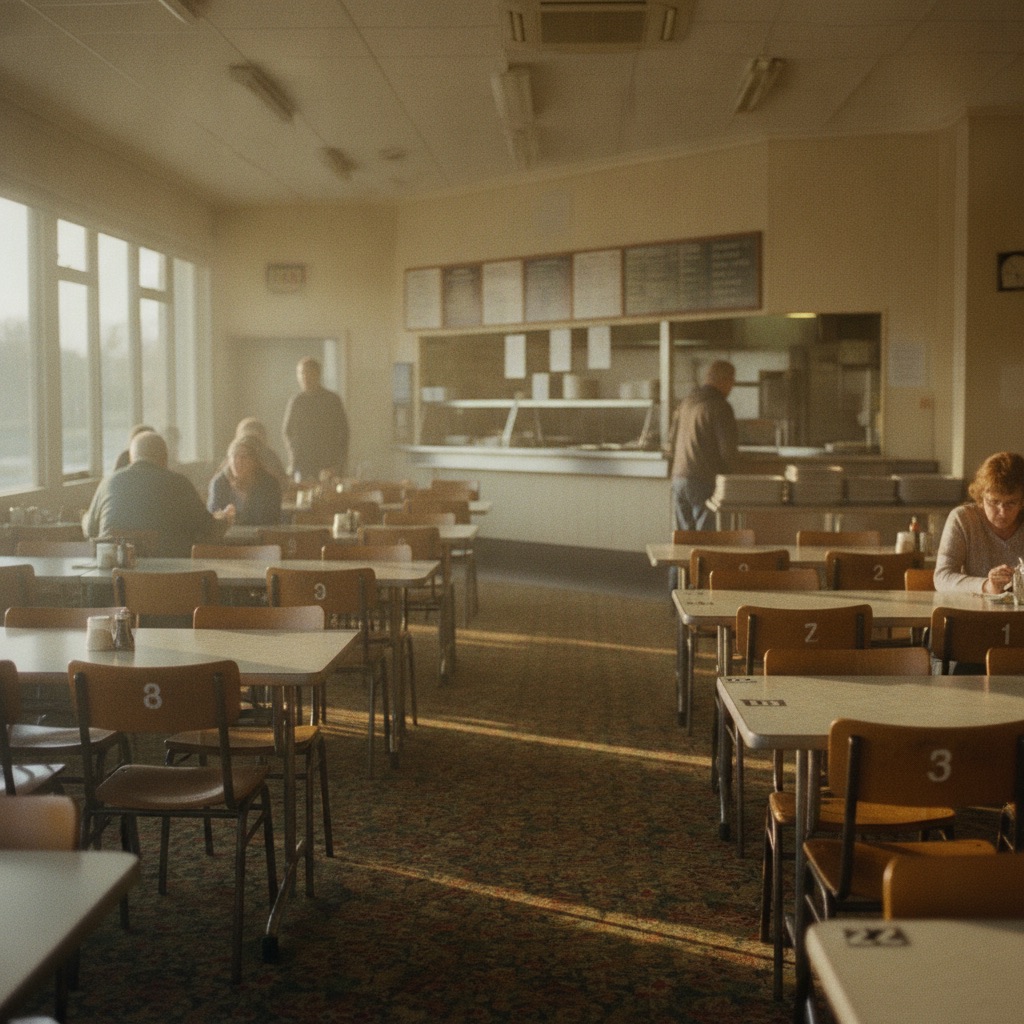
The cheapest good dinner in most Australian towns is not at a restaurant. It’s at a club: the RSL, the bowlo, the leagues club, the surf club. Locals have known it for generations, and visitors walk straight past the door.
This is a short guide to how club dining works, why the value is so reliable, and how to walk in like you’ve done it a hundred times.
What an RSL actually is
RSL stands for Returned & Services League, a veterans’ organisation with roots in the First World War. Local sub-branches built clubhouses as social hubs for returned service people, and over the decades those clubhouses grew bars, bistros, stages and function rooms.
The same pattern produced Australia’s other club families: bowls clubs (the bowlo), leagues clubs attached to footy teams, golf clubs and surf lifesaving clubs. Different badges, same DNA. Each is a community organisation that happens to run a very affordable kitchen.
Why the food is such good value
Clubs exist for their members, so the kitchen doesn’t have to be the profit centre. Meals are priced to get people through the door and keep the room full, and members typically pay less again.
The other advantage is scale. Club kitchens cook for big rooms, and big rooms keep prices honest. The bistro model, where you order and pay at a counter rather than through table service, trims the cost further.
The menu is its own genre. Expect a schnitzel, a steak with a choice of sauces, a fisherman’s basket, a roast and at least one pasta. Quality here is measured in consistency rather than novelty, and a good club bistro lands the same twenty dishes every night of the week.
Specials are the calendar to learn. Cheap schnitzel and steak nights early in the week are a club staple across the country, built to fill quiet rooms, and they explain why the table of regulars next to you ordered without opening a menu.
The etiquette, decoded
- Sign in at the front desk. Non-members usually enter as guests or visitors, and photo ID makes it painless
- Order and pay at the bistro counter, take your table number, and grab cutlery and sauces on the way back
- Membership is cheap and usually pays for itself in meal discounts within a few visits
- Lean into the rituals: the raffle, the trivia night, and at many RSLs a short moment of remembrance in the evening
Dress codes exist but are gentle. Neat casual covers you almost everywhere, and the standard loosens further at lunch. If a club has a stricter room, it will be the formal restaurant, not the bistro.
Clubs are also the rare night out that fits every generation at once. Grandparents get a proper roast, kids get space to move, big groups get seated without a fuss, and nobody argues about the bill at the end.
What it looks like done well
For a working example, look at the City Memorial Bowls Club in Warrnambool, on Victoria’s south-west coast.
Its City Bistro is fully licensed and open seven days a week for lunch and dinner, serving seafood, pasta and steak alongside vegetarian and gluten-free options. A second outlet, the Starlight Cafe, covers light meals, snacks and drinks, and a function room takes up to 200 guests.
It is also more than a dining room. The club’s Dome opened in 2019 with two undercover bowls greens, a bar and function space, turning bowls into an all-weather proposition, and the calendar runs to trivia nights, live music and community events. That mix of sport, food and a full noticeboard is club dining in a single building.
How to find your local
Nearly every Australian town has at least one club worth eating at, and most of them never advertise past the sign out the front. A reliable field test: the busiest carpark in town on a Thursday night usually belongs to a club.
To go looking, start with Scoop’s food and drink listings and watch for anything ending in club, browse things to do for the clubs that double as live venues, or work town by town. Warrnambool’s own food and drink listings sit alongside the bowls club above, which is exactly how locals find their second favourite.