
Hamilton, in Victoria’s western district, doesn’t shout about itself, so let’s answer the question directly. What’s actually worth two days: a pair of waterfalls pouring over old lava country, an endangered bandicoot with its own walking track, and a botanic garden designed by William Guilfoyle, the man behind Melbourne’s Royal Botanic Gardens. And to be clear before you set the GPS: this is Hamilton, Victoria, not the Newcastle suburb or the Brisbane one.
Split it simply: day one is the volcanic country outside town, day two is Hamilton itself. Both days end well fed, and the whole plan suits the kind of traveller who likes scenery with an explanation attached.
Day one: waterfalls on the lava plains
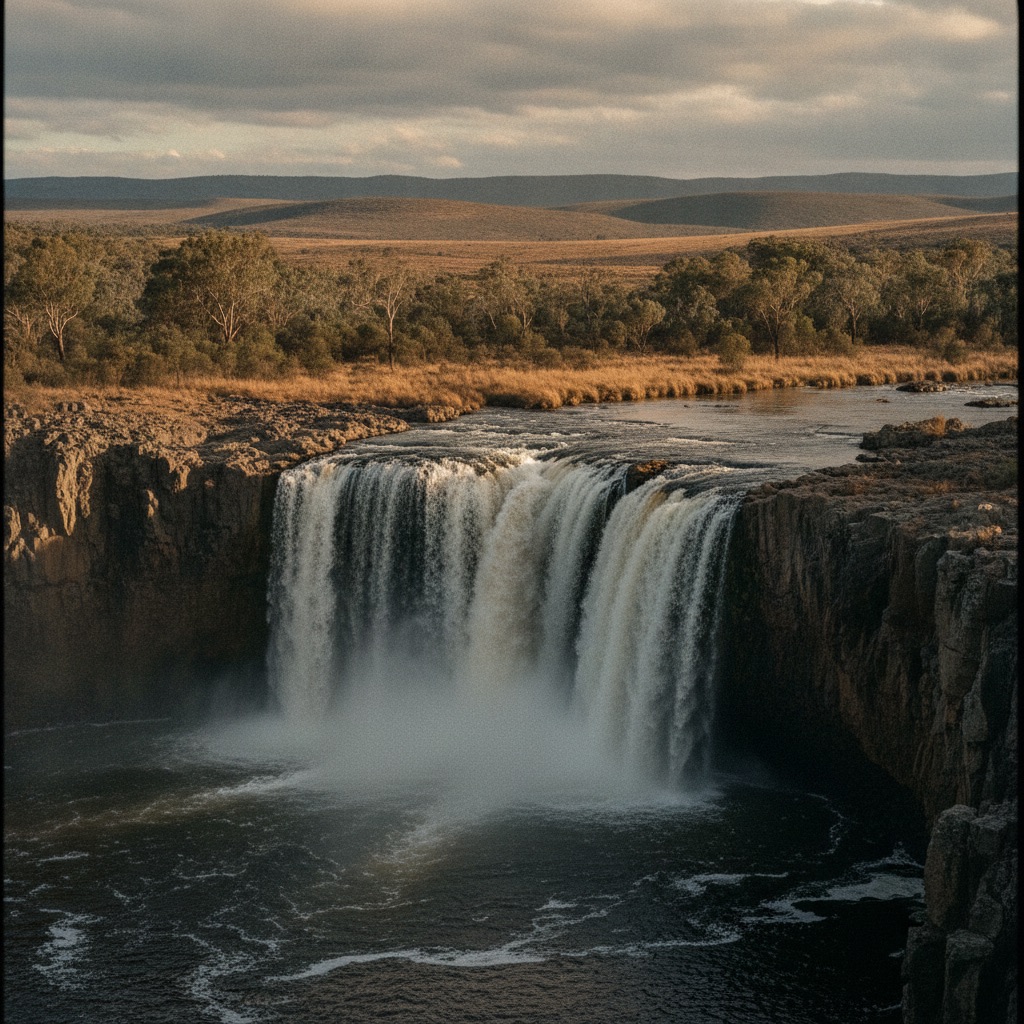
Wannon Falls is the anchor. You drive west across gently undulating lava plains and then, without much warning, the Wannon River, fed from headwaters in the Grampians, drops over a basalt cliff into a plunge pool 30 metres below. Timing is everything: in the winter wet season the falls can be genuinely spectacular, while by the end of a dry summer they can shrink to a trickle. The reserve alongside has picnic areas and interpretation signs, and the narrow, steep-walled valley downstream, carved as the falls retreated upstream, is its own small geology lesson. A larger scenic reserve alongside keeps natural native vegetation, with the disturbed patches replanted in natives.
Sixteen kilometres west of Hamilton on Wannon-Nigretta Fall Road sits the sibling, Nigretta Falls, which used to go by Upper Wannon Falls. Seeing the pair in one loop is the move, since the same river behaves completely differently at each drop. Pack the picnic for Wannon, where the tables are.
On the way back, or as a detour along the Hamilton-Port Fairy Road, Harman’s Valley Lookout rounds out the volcano story, a 24-kilometre drive from town. Pathways and bridges lead to the viewing points, and the information boards explain how this valley got its shape. There’s ample parking when you arrive, and it’s open year-round, with spring and summer the most comfortable months to linger.
Day two, morning: Guilfoyle’s garden and a rare marsupial
The Hamilton Botanic Gardens carry a Victorian Heritage listing for good reason: Guilfoyle laid them out over a century ago, and the bones of that design survive in the heritage-listed trees, the eucalyptus and fuchsia collections and the rose gardens. They’re open every day, with playgrounds, picnic shelters, barbecues and shaded seats, so the visit can be twenty minutes or half a day. The collections mix native and exotic species, and there’s a drinking fountain and a water tap for the dog-walking contingent.
Then the one you won’t find in many other towns: the Hamilton Bandicoot Wildlife Walk, a secure breeding ground for the endangered Eastern Barred Bandicoot. The walk itself takes about 30 minutes, starts at the end of Ballarat Road near the Western Highway, and runs year-round: wildflowers in spring and summer, golden trees in autumn, quiet paths in winter. Kangaroos, wallabies and echidnas share the billing, with illustrated signs covering the western district’s flora and fauna, and the track is easy enough for all ages.
History-minded visitors should add the Hamilton History Centre at 43 Gray Street, which holds more than 2,000 local historical photographs plus cemetery records, German settlement history, war records, parish maps and the paper trail of the district’s pastoral properties. Shop, business, church and school records round out the collection. If your family passed through the western district, this is where you find them.
Day two, afternoon: the lake that does everything
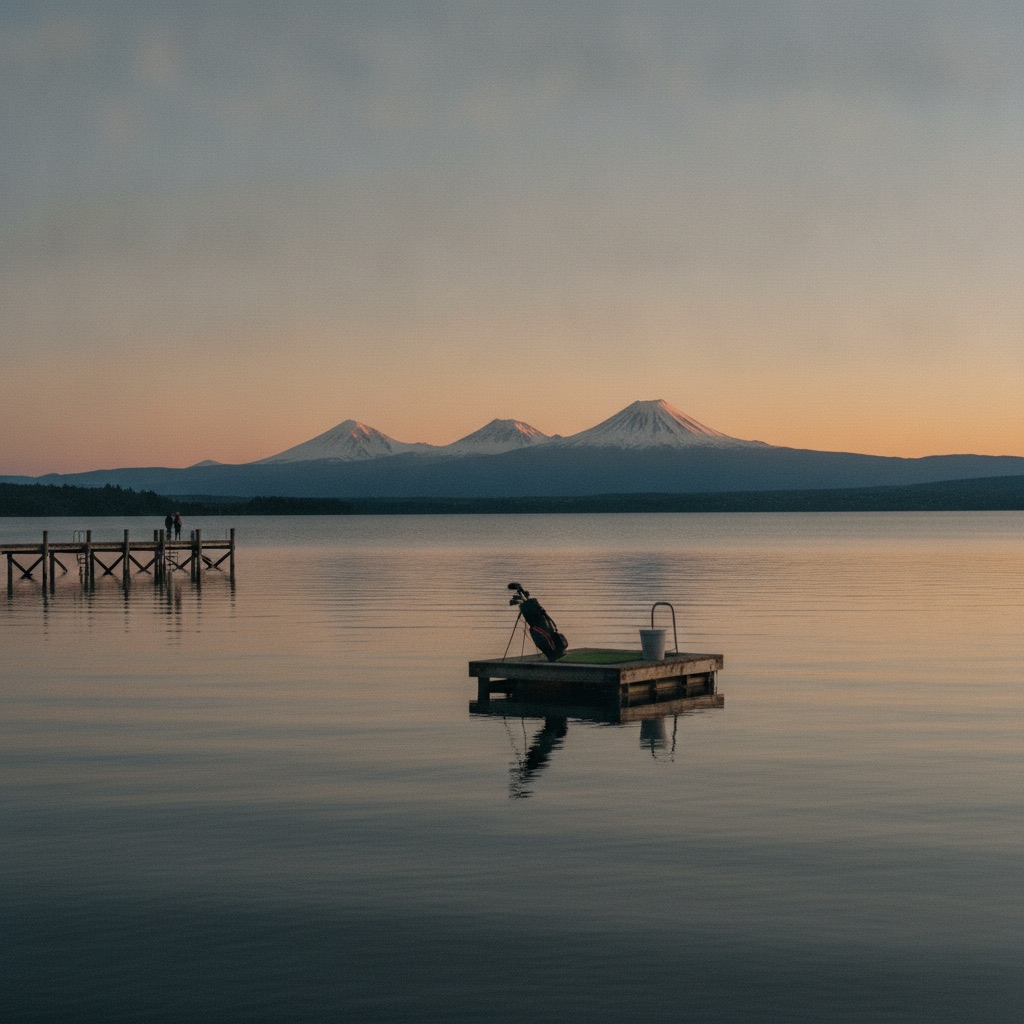
Lake Hamilton, at the eastern end of town, is ringed by 25 hectares of parkland and a 4.2-kilometre walking and bike track, with the Lakes Edge Adventure Playground, a skate park and a dog park spread around it. On the water it’s democratic: fishing, waterskiing, sailing, rowing, windsurfing, canoeing and swimming all happen here, and the range of fish species keeps the fishing crowd loyal. There’s a free 5-kilometre parkrun around the lake weekly, camping is off the table, and the gates run dawn to dusk.
Dinner solves itself nearby. Lakeside Fish Shop at 15 Ballarat Road keeps a dedicated fryer and prep area for gluten-free chips, an increasingly rare courtesy, and fries butterfish, scallops and a well-rated fish and chips. It’s takeaway-friendly with outdoor seating, and dogs are allowed, which suits the lake crowd.
The café worth planning around
Lemon Myrtle Cafe at 163 Grey Street is the breakfast-and-lunch pick, built around native Australian ingredients: lemon myrtle turns up in the cooking and in the tea, giving dishes that zingy citrus hit, alongside honest sandwiches and bacon and eggs, and the specials board earns a look before you default to the menu. Its position lets you walk the main-street shops first and arrive hungry.
Beds, three ways
- Grange Burn Motel: 31 spacious ground-floor units opening onto landscaped gardens with a pool and spa, plus The Grange restaurant on site, room service, free Wi-Fi and parking, and a function space that holds 80 if you’re travelling as a tribe.
- Comfort Inn Botanical: central, unassuming rooms (some with whirlpool bathtubs), a restaurant and bar, a health club, an outdoor pool, free parking, tea and coffee in every room and a business centre if the weekend has homework.
- Bandicoot Motor Inn at 152 Ballarat Road: breakfast included, an on-site restaurant and bar, and a five-minute drive to the town centre, with the Hamilton Golf Club close at hand.
Verdict and further digging
Two days is the right dose for a first visit: waterfalls and lava country one day, gardens, bandicoots and the lake the next. Come in winter if the falls are the priority, spring if it’s the gardens and wildflowers, or split the difference in autumn, when the bandicoot walk turns golden. The longer list lives on the full list of things to do in Hamilton, with the Hamilton food & drink listings, the accommodation hub and the Hamilton local guide filling in the rest.