

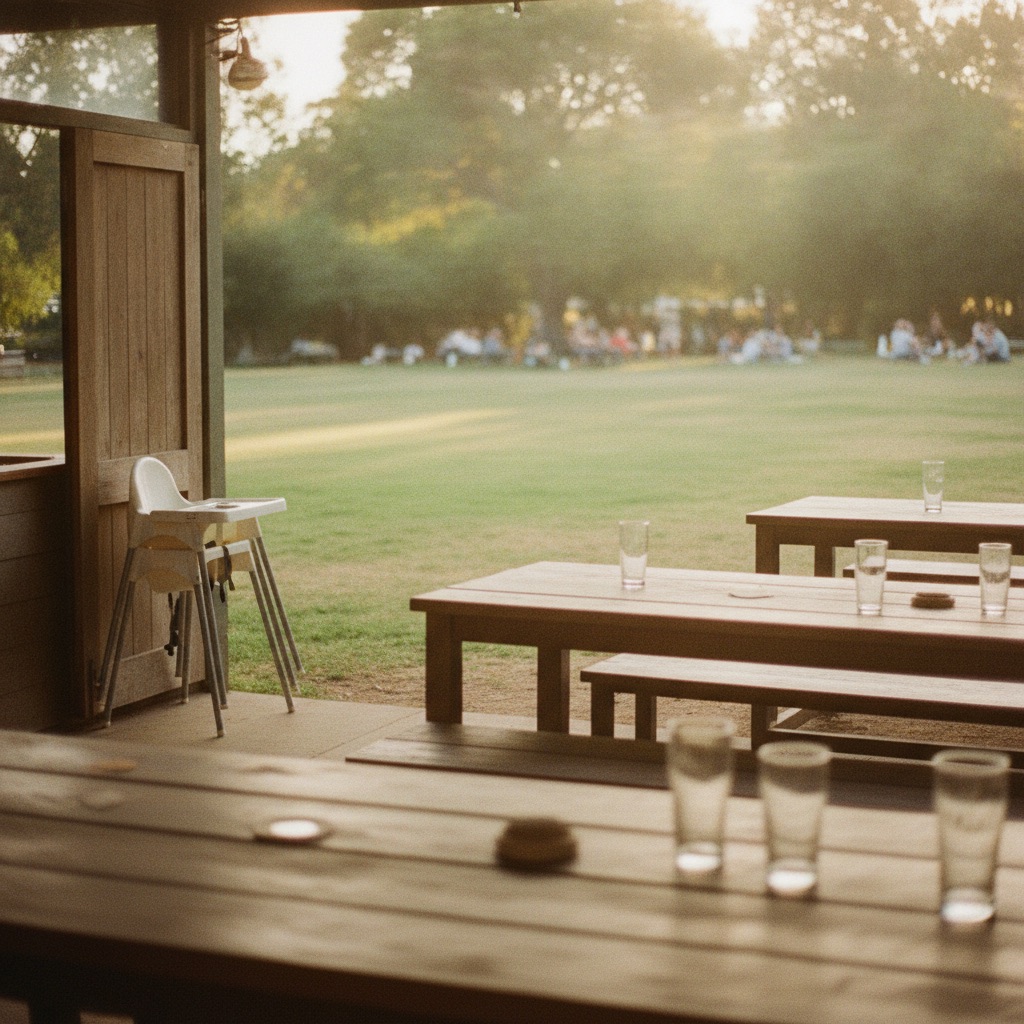
Every venue in Australia will tell you it is family friendly. Roughly half of them mean it. The difference is visible before you have even ordered, once you know which signals to read, and the whole skill takes about a week of parenting dinners to master.
Here are the tells that separate the places that genuinely want your family from the places that merely tolerate it.
Signal one: the kids’ menu is food
A venue that wants families writes a kids’ menu the way it writes the main one: smaller portions of real cooking, maybe a pasta the kitchen is proud of, vegetables that are not a garnish-shaped apology. A venue that tolerates families photocopies the beige trio of nuggets, fried whatever and chips and calls the job done.
The even better sign is no kids’ menu at all but a kitchen happy to do half serves of the real thing. That is a place quietly saying your child is a customer, not a catering problem.
Signal two: the furniture has thought about you
Count the high chairs. One lonely high chair by the toilets is a gesture; a stack of them by the door is a policy. Add points for space between tables wide enough for a pram, wipeable surfaces, and any outdoor or courtyard area where a lap of the tables between courses is not a public event.
This is where the classic Australian venues quietly win. Pubs with beer gardens, surf clubs and RSL bistros have been absorbing energetic children for generations, and the good ones treat a toddler doing laps as weather rather than crisis.
Signal three: counter ordering
Order-at-the-counter service is the single most underrated family feature in hospitality. No waiting for a server while blood sugar collapses, food arrives when it arrives, and you can settle the bill before the meltdown window opens rather than during it.
It is why club and pub bistros remain the default family venue across the country. The format was accidentally engineered for people whose dining companions have a 45-minute tolerance ceiling.
A related tell: the self-serve water station. Anywhere that lets you grab your own glasses, cutlery and serviettes has already decided you should not have to flag someone down for the small stuff, and that philosophy usually extends to everything else about the visit.
Signal four: how the staff greet the child
Watch the first thirty seconds. Staff at genuinely family-friendly venues greet the kids as guests, produce the colouring sheet or crayons unprompted if they have them, and offer to fire the children’s meals first without being asked. Staff at tolerant venues greet the adults and audit the children.
Neither response is wrong, to be fair. Some rooms are built for date nights and quiet anniversaries, and that is its own kind of good venue. The trick is not to book one of them for a fourth birthday.
Signal five: the early sitting exists and is busy
A dining room with families in it at 5:30 is a dining room that wants families. If everyone eating before 6pm looks like you, the venue has built its early service around exactly your situation, and the kitchen will be at its freshest and fastest.
The reverse also holds. If the room is empty until 7:30 and candlelit by 8, take the hint and enjoy it some other night, with a babysitter.
Your half of the bargain
Family-friendly is a two-way arrangement. Book the early slot instead of squeezing into peak service, do a rough toddler-blast-radius tidy before you leave, and hand the table back on time. Venues remember the families that make it easy, and the welcome gets warmer every visit.
Finding the genuine article
The signals above work anywhere, but you still need a shortlist to test them on. Start with the full directory of places to eat and drink across Australia and New Zealand, where listings regularly flag child-friendly venues, kids’ menus and outdoor seating.
Then build the rest of the outing: things to do near you for the pre-dinner energy burn, which is the most reliable family-dining tactic ever devised, and family-ready places to stay if the outing has become a weekend. Read the signals, book at 5:30, and dinner out with kids stops being a gamble.