
Book the train before you book the bed. That’s the local rule for Queenstown, the mining town on Tasmania’s west coast, because the West Coast Wilderness Railway is the weekend’s spine and everything else arranges itself around it.
This is the other Queenstown, to be clear: no bungy jumps, no lake-front cocktail bars. What it has instead is a century and a bit of hard mining history, a heritage railway that climbs through rainforest, and a footy oval made of gravel. A plan, then, from the station outwards. Bring layers whatever the season; this is rainforest country.
The train: why it comes first
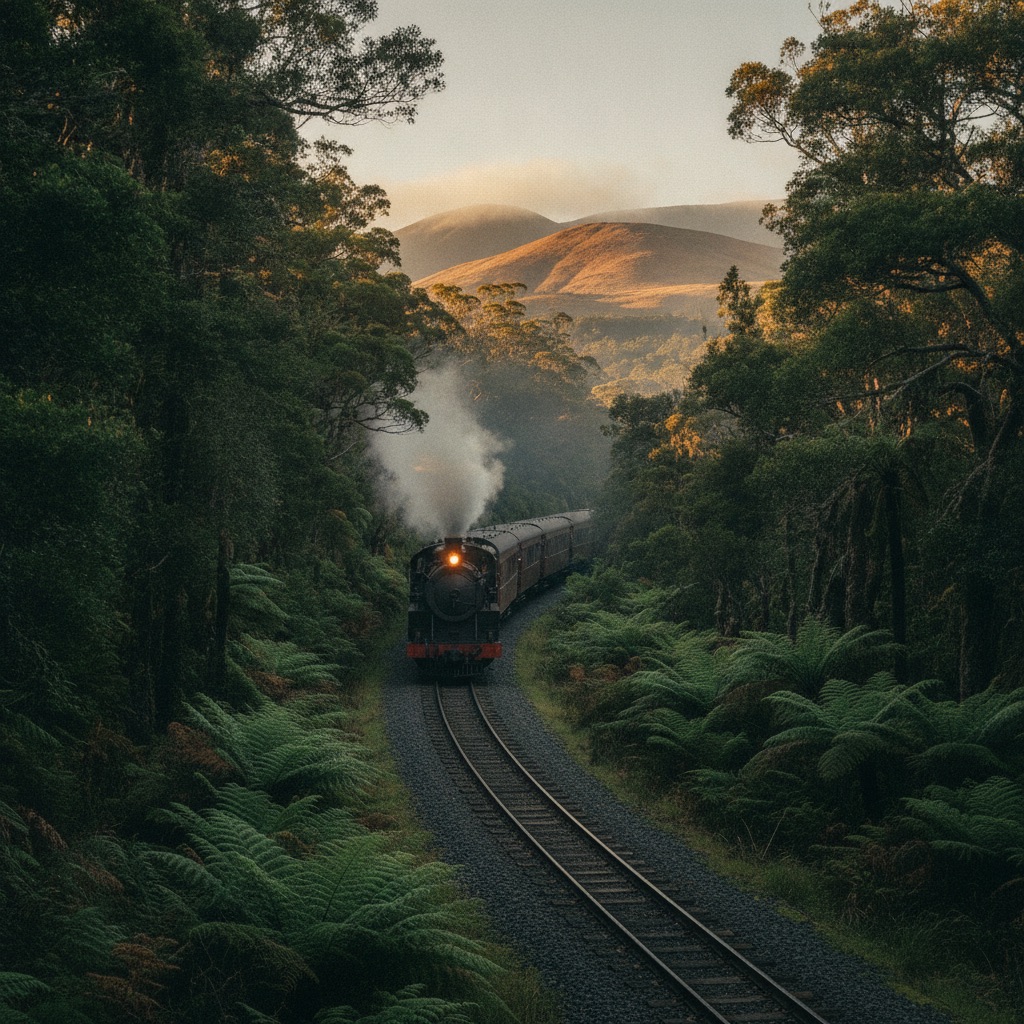
The railway’s story starts with the Mount Lyell Mining Company, which began operations in November 1892 and re-formed in March 1893 as the Mount Lyell Mining and Railway Company. The line officially opened in 1897, was extended from Teepookana through to Regatta Point and Strahan by November 1899, and survives today as a tourist experience running between Queenstown and Strahan, built around sharing the history of Tasmania’s west coast. Make it the first booking of the trip and arrange the meals around the timetable.
Two details make it more than a scenic ride. First, the Abt rack system, the toothed middle rail that hauls the train up gradients ordinary adhesion can’t manage, built to conquer mountainous terrain through rainforest. Second, original locomotives still operate on the line. You board at 1 Driffield Street, and the whole west coast story rolls past the window. It’s a working museum, in other words, and it moves.
The museum that explains the town
A few doors along at 1–7 Driffield Street, the Eric Thomas Galley Museum holds a collection built on stories of survival, resistance and sacrifice on the West Coast. It’s a deeply personal record of the people themselves and their everyday lives rather than a parade of machinery, which is exactly why it lands harder than most regional museums.
The building has its own resume: the Galley Museum occupies the former Imperial Hotel, constructed in 1897, which has also done service as a mining office and a youth hostel. It’s one of two west coast museums keeping the records and relics of the region’s mining communities, and an hour here reframes everything you’ll see outside. Give it longer than you think; personal records read slower than plaques.
The waterfall on the highway
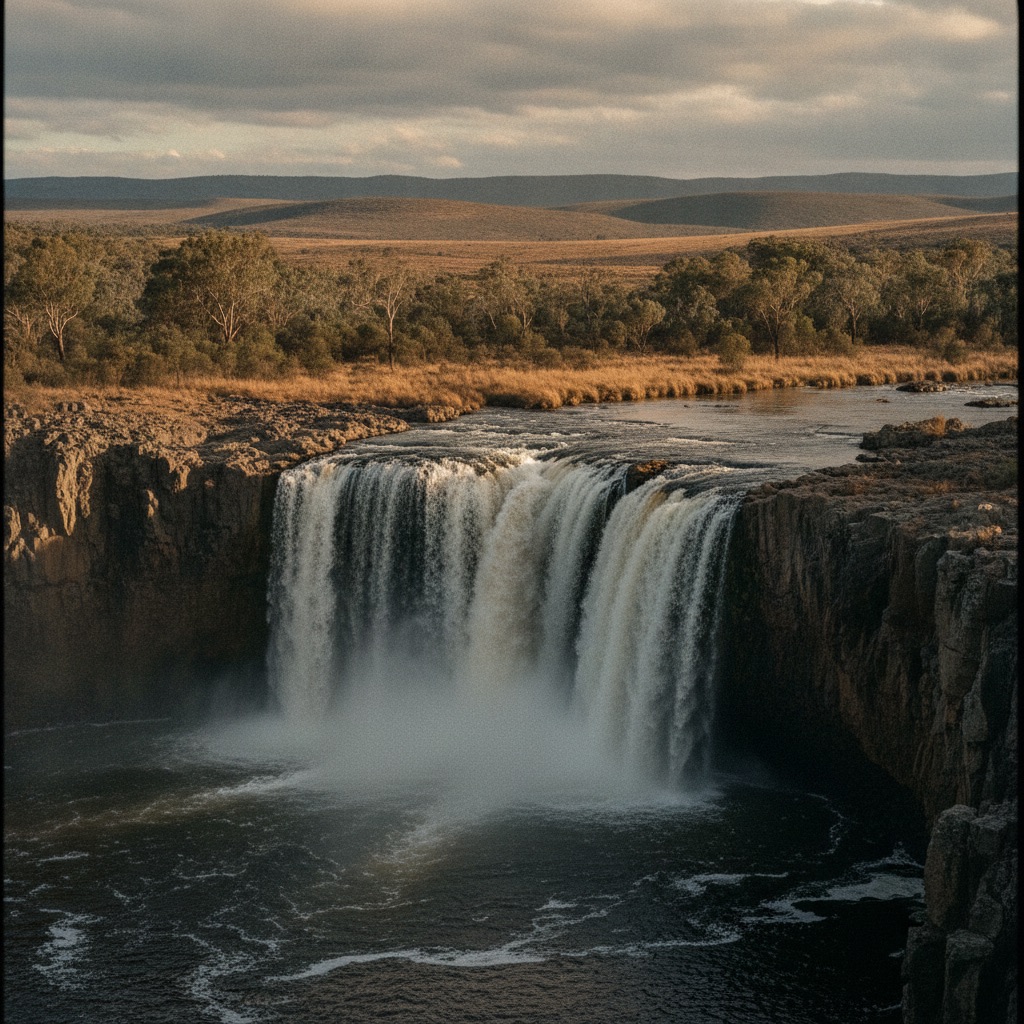
Horsetail Falls sits on the Lyell Highway at the edge of town, and its Scoop listing doubles as a west coast primer, pointing you onward to heritage centres, historic theatres and timber galleries across the region. See the falls, then let the itinerary sprawl: this is a part of Tasmania where the drives between things are half the show. Time the falls as your arrival or farewell stop and the highway does the delivering.
And yes, the footy detail is true: Queenstown’s recreation ground is a gravel oval, and players really do take to it. Some towns have a signature dish; Queenstown has a playing surface, and the locals wear it as a badge of honour.
Eating: the pubs and hotels do the cooking
Queenstown’s dining runs through its hotels, and that’s not a downgrade. Silver Hills Motel on Penghana Road houses the largest restaurant in town, with mountain views and a serious fireplace. The motel around it dates from 1953, sits on the edge of town five minutes from the airport, and keeps 57 ensuite rooms with heating and queen beds. Gold Rush Inn on Batchelor Street serves meals in a casual wood-panelled restaurant that suits the town’s temperament exactly, with breakfast on offer and ground-floor rooms that come with parking directly outside each door.
The Empire Hotel at 2 Orr Street covers the pub side with a restaurant, a bar, a bottle shop and a gaming area under one roof. It’s also a heritage stay in its own right, with 24 rooms, electric blankets on the beds and free parking out front. Rooms run small but comfortable, each with a bar fridge and tea and coffee facilities, and there’s a shared lounge for the sociable.
Where to sleep
The romantic option is Penghana Bed and Breakfast, an 1898 hillside mansion looking over the township, with four individually decorated ensuite queen rooms, writing desks and kitchenettes, and the choice of hosted or self-catering stays. Its cousin in character is Mt Lyell Anchorage, a nostalgic bed and breakfast with pressed tin ceilings, timber panelling, fireplaces, four rooms with private bathrooms and a full kitchen, plus 35 budget ensuite motel units. It trades on its position too, on the edge of Tasmania’s World Heritage Wilderness Area.
The practical tier is well covered:
- Chancellor Inn Queenstown: 60 rooms with electric blankets and heating, a lounge, concierge and room service, pitched squarely at people here for the mines, railways and scenery, with queen beds, ensuites and fridges throughout.
- Mountain View Motel: budget rooms under ten minutes’ walk from the centre, with free Wi-Fi and parking, a games room, free barbecue facilities, and microwaves, fridges and flat-screens in the rooms.
- Railway Hotel Queenstown at 27–35 Driffield Street: family and backpacker rooms, six with ensuites sleeping up to 15 guests across them, handy to the railway itself, with a garden and bar, and some rooms carrying a full kitchen.
How the weekend fits together
The shape is simple. Friday night in a pub bed, Saturday on the train with the museum hour either side, Sunday for Horsetail Falls and the drive you haven’t planned yet. Winter is fireplace season here, which the hotels are clearly built for, so don’t fear the cold months. Queenstown rewards people who like their history with the grease still on it.
The longer list is on the full list of things to do in Queenstown, with the Queenstown food & drink listings, the accommodation hub and the Queenstown local guide to finish the job. Pack a coat, book the train, and let the west coast do the talking.